The ‘Transitioning pasture systems to balanced soil fertility’ project aims to develop principles for mangement of sulfur (S), potassium (K), and boron (B) in pasture paddock across Southern NSW.
Funded by Meat and Livestock Australia, lead by CSIRO, and in collaboration with Monaro Farming Systems and Tableland Farming Systems, the project is made up of three main on-ground activities:
1. Soil surveying pasture paddocks (0-10cm soil tests) in the Spring of 2025 and 2026 to identify levels of pH, aluminium, phosphorus, potassium, sulfur and boron in different soil types (e.g. granite, shale and alluvium).
HLN members have the opportunity to access up to 4 free soil tests. To register your interest click the button below or contact the HLN office.
Spring 2025 soil survey key findings
19 producers participated, 103 paddocks tested, and classified as either alluvium (e.g. Billabong Creek or Mountain Creek floodplain) Granite or Shale derived soils.
Phosphorus and sulfur were the key limiting nutrients. In most cases, producers should focus management on addressing phosphorus and sulfur deficiency before addressing potassium deficiency.
60-75% of granite and shale soil paddocks were deficient in phosphorus and sulfur, 20% deficient in potassium.
40-50% of alluvium soil paddocks were deficient in phosphorus and sulfur, 15% deficient in potassium.
Majority of paddocks were acidic (pHCa <5.5)
54% of paddocks were deficient in Boron (below critical soil test value of 0.34 mg B/kg)
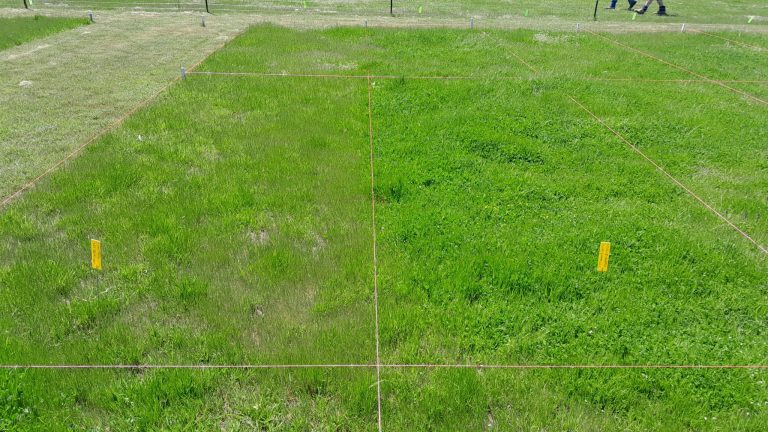
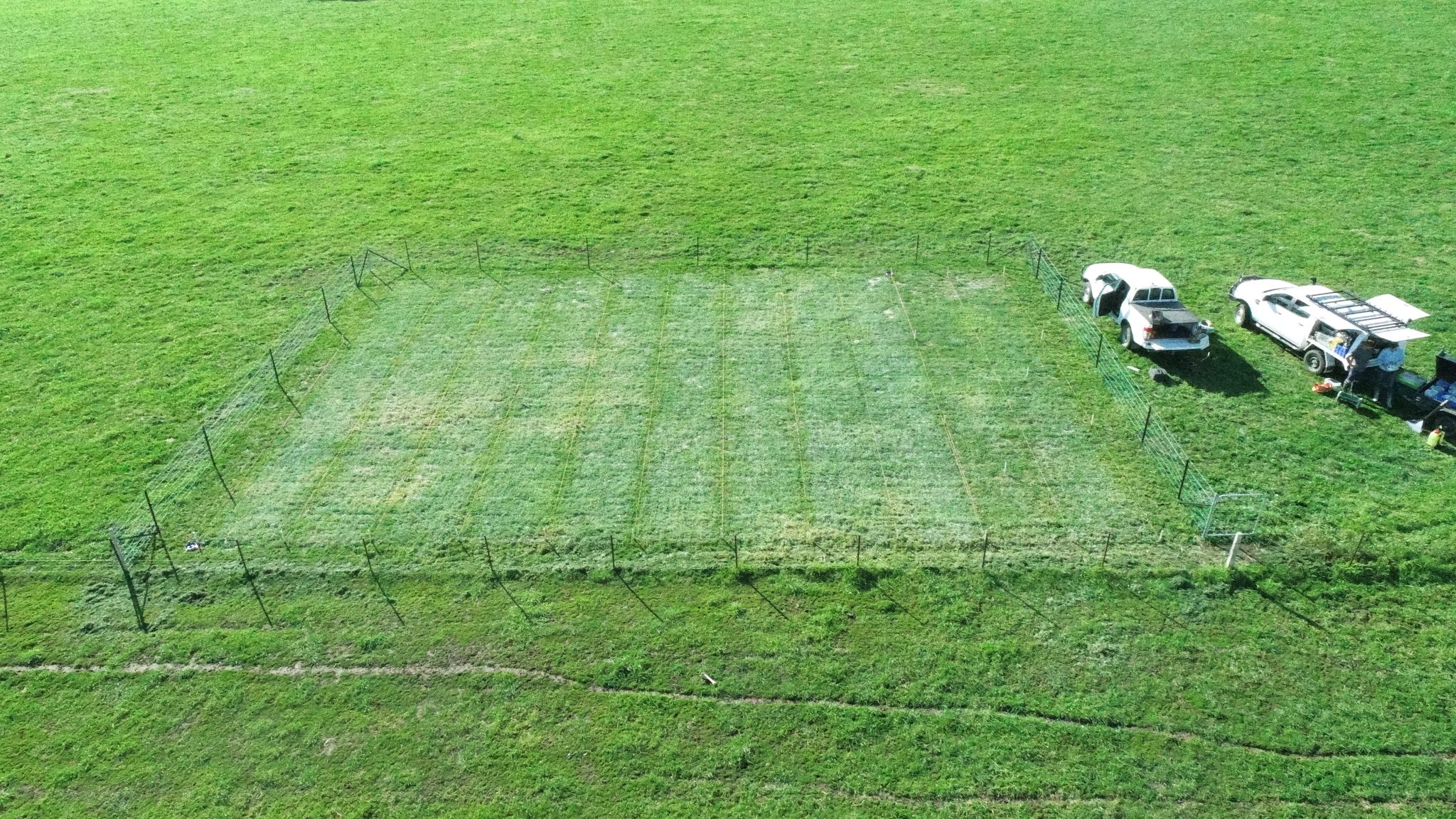
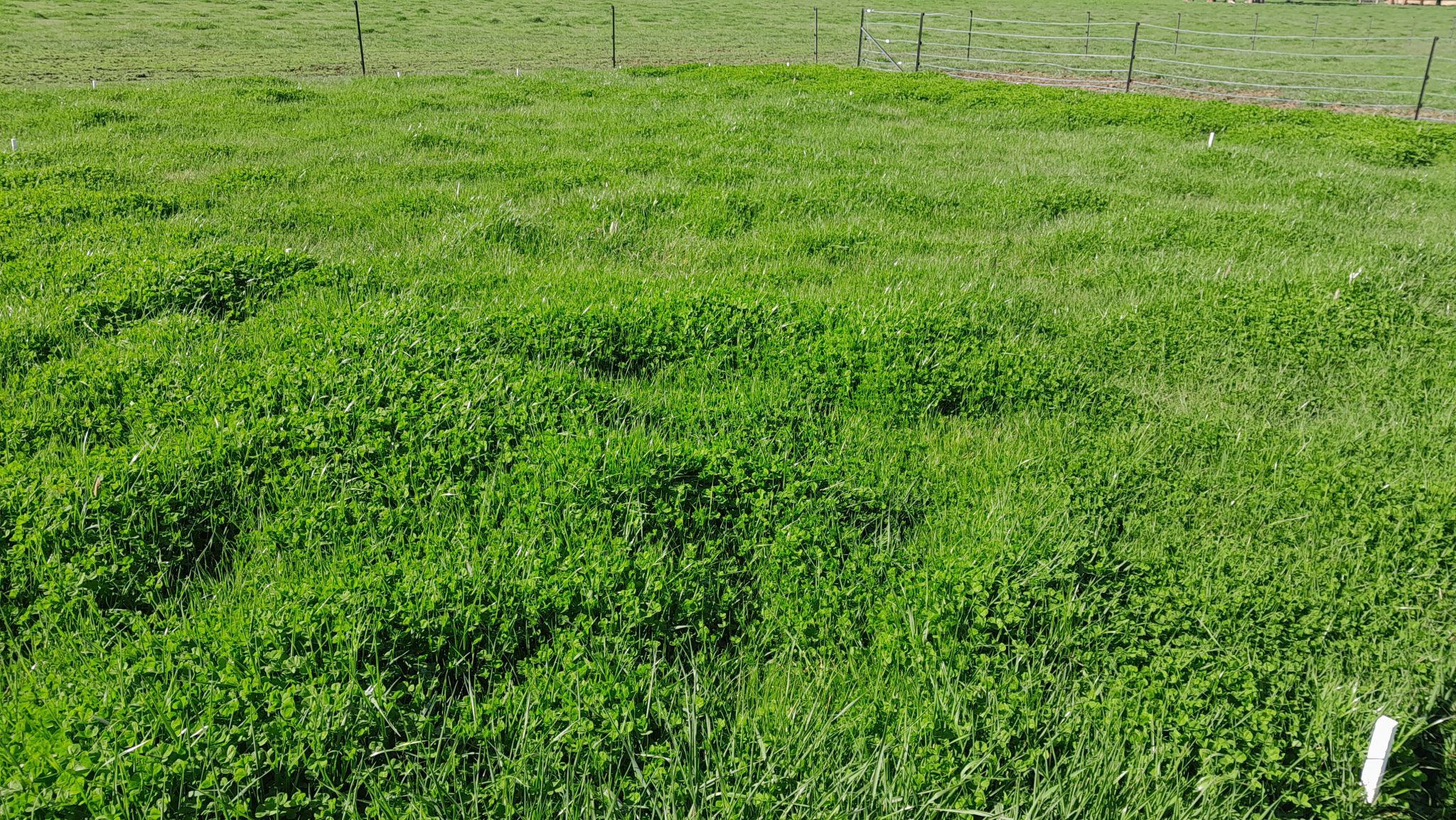
2. Nutrient subtractive / fertiliser trials were established in the region in June 2026 – one at Wantagong and another at Little Billabong. The trials are demonstrating the effect adding or restricting different nutrients (sulphur, potassium and boron) has on pasture growth.
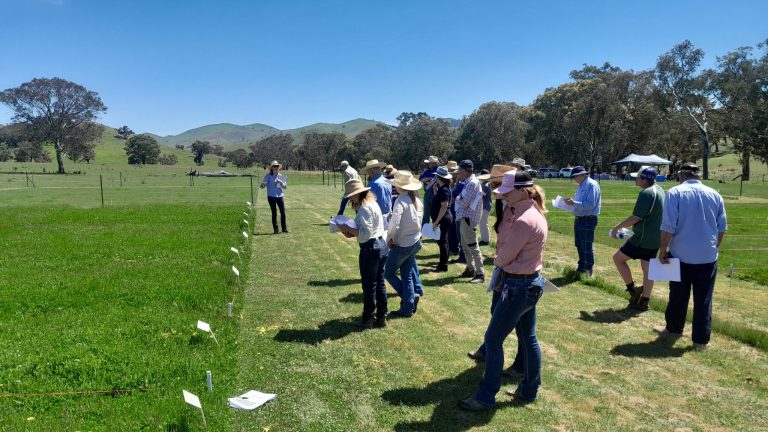
3. Field day and extension activities conducted every year to communicate the results of soil surveys and fertiliser trials.