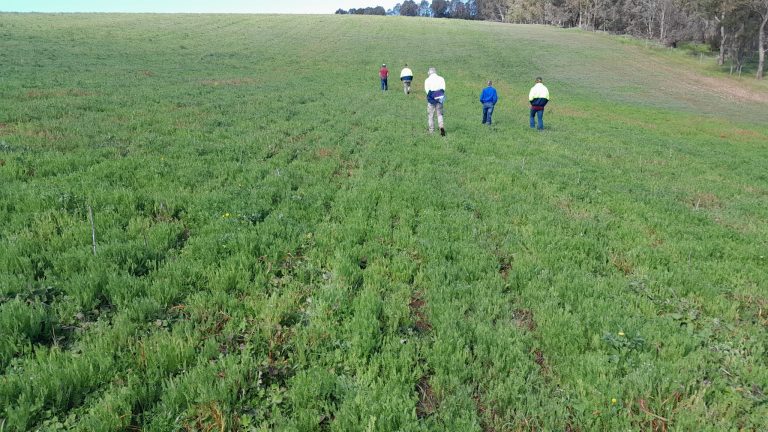
Holbrook Landcare Network’s Producer Demonstration Site (PDS) project, funded by Meat & Livestock Australia, aims to demonstrate the role serradella pasture species may have in production systems of the Southern Slopes of NSW and what management adaptations need to be made to successfully incorporate these species into southern grazing systems.

Background

Subterranean clover is by far the most common companion legume found across almost all pastures of south-eastern Australia. Since the beginning of the “sub and super” era, it has been the dominant driver of production in grazing systems, providing the main source of nitrogen to grasses and protein to stock. Sub clover however, is not without its issues. It can cause bloat in cattle, red-gut in sheep and, where newer varieties have fallen out of the system due to climatic conditions, reproductive issues due to the presence of oestrogenic compounds. Due to its annual winter growth habit, sub clover also has limited capacity to adapt to a changing climate and utilise the increasing instances of warm-season rainfall. Legume, particularly sub clover drop-out is already a regularly reported issue amongst farmers, particularly post drought.

Benefits of Serradella

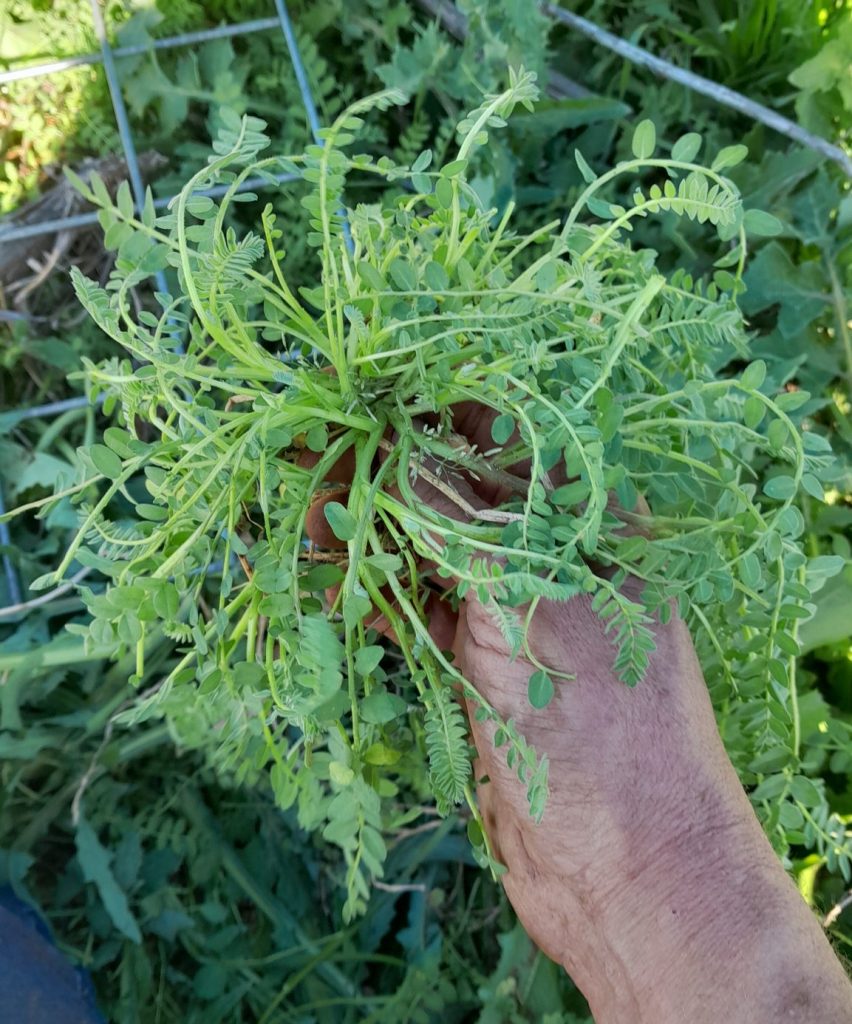
Serradella species are a low bloat risk annual legume option for pasture systems, making it an attractive alternative to producers. Other benefits, in comparison to subterranean and white clover include:

  • Low oestrogenic activity
  • High production in severely acid soils
  • Adapted to light textured soils
  • Hard seededness
  • Deeper root growth
  • Lower requirement for soil phosphorus

The high phosphorus efficiency and acid soil tolerance makes serradella potentially suited to secondary land classes such as rocky or steep land with minimal fertiliser or lime application.
Previous Work

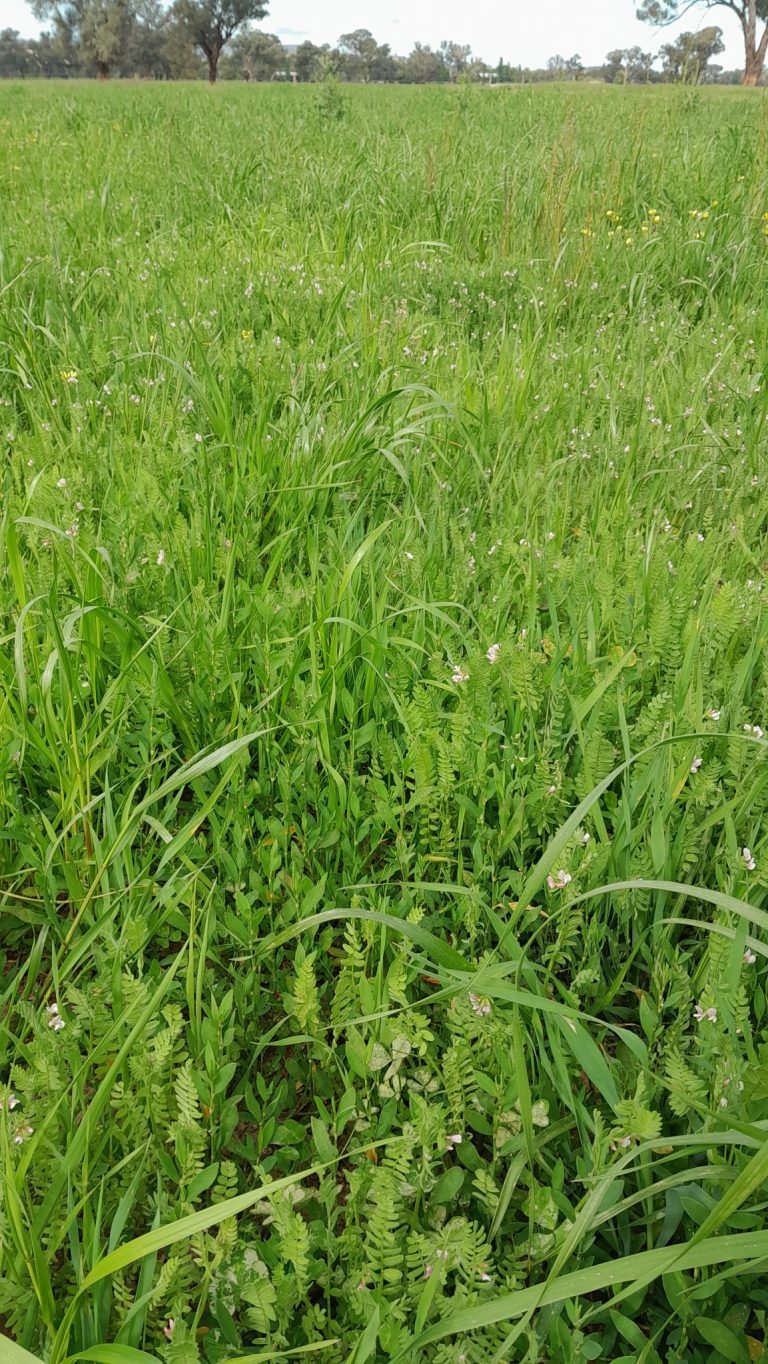
NSW DPIRD and CSIRO recently tested the performance of different serradella varieties in small plot trials locally at Morven, Mangoplah and Bookham as part of the MLA Project B.PAS.0361 Serradellas for new environments. These trials identified the suitability of serradella, in particular Avila (Yellow) and Margurita (French/Pink) varieties, as an annual legume option for the region’s pasture systems. This project will build on the momentum of this research and demonstrate the application of these serradella varieties in commercial pasture paddocks throughout our region.

What We Are Doing

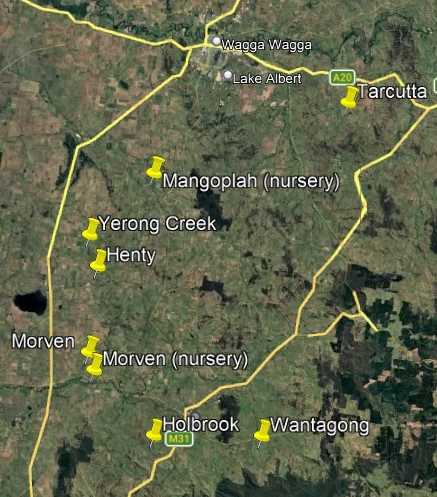
We currently have 7 producers that have serradella in the ground, with the intention of harvesting some of these paddocks to have seed available for other producers in the future. Over the next four years, we will monitor the performance of serradella in the paddock demonstrations to:

  • Successfully establish and persist (through long-term data collection)
  • Produce comparable winter feed yields and quality to subclover
  • Increase production on non-arable land
  • Produce viable seed
  • Be a suitable alternative to subterranean clover as a companion legume species in mixed pasture systems
We will also run a series of extension events and communication materials to develop knowledge and skills in:

  • Pre-sowing paddock preparation (weed and pest management)
  • Sowing strategies and timing (bare seed and podded seed)
  • Companion species selection
  • Pasture management (including grazing management)

Want To Be Involved?

If you want to be involved in the project by either trialing serradella on your farm or receiving regular project updates than get in touch!

We also have a WhatsApp group containing photos, pasture assessment results and general discussion about serradella! Get in touch if you want to join.

Timeframe

Project period: 7 January 2026 – 31 July 2030.